
Litigation as a Mode of Dispute Resolution
Introduction:

Litigation is a legal process through which disputes are resolved in a court of law. It has been a prominent and widely recognized method of dispute resolution for centuries. This chapter aims to thoroughly elucidate the concept of litigation, its underlying principles, and its various applications across different industries and scenarios. By examining real-life case studies and examples, we will highlight the effectiveness of litigation in resolving conflicts. Additionally, we will discuss the potential advantages and limitations of litigation as a dispute resolution method, considering factors such as power dynamics, cultural considerations, and the potential for win-win outcomes. To ensure a comprehensive analysis, we will incorporate relevant research findings, theories, and expert opinions.
Definition and Process:

Litigation refers to the process of resolving disputes through a court system, involving the presentation and examination of evidence by parties to a legal case, culminating in a judgment or a settlement. The parties present their arguments to a judge or jury, who then reaches a decision based on the law and the presented evidence.
Stages of Litigation:
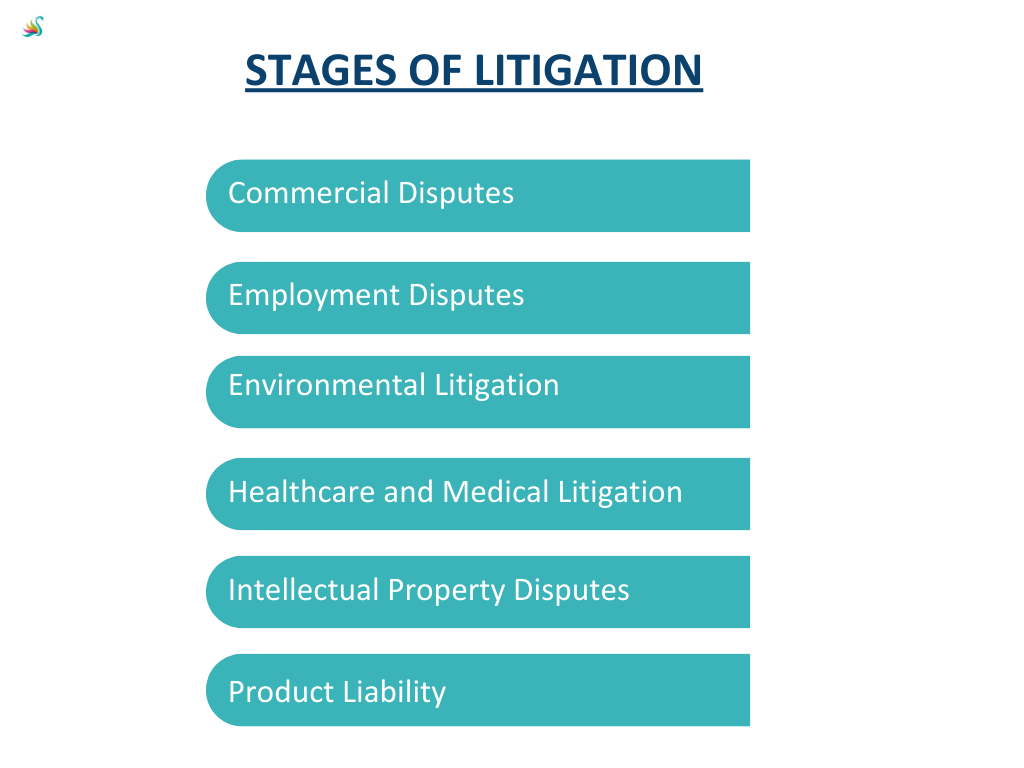
Commercial Disputes:
Litigation frequently occurs in commercial settings, where disputes may arise over contracts, business transactions, intellectual property rights, or breaches of fiduciary duties. For example, the well-known Apple Inc. v. Samsung Electronics Co. patent infringement case, spanning multiple jurisdictions, involved complex issues of intellectual property and competition.
Employment Disputes:
Workplace-related conflicts, including wrongful termination, discrimination, or harassment claims, are common grounds for litigation. In a notable case, Peggy Young, a UPS employee, sued the company for pregnancy discrimination, which eventually reached the U.S. Supreme Court.
Environmental Litigation:
Environmental issues, such as pollution, toxic exposure, or violations of environmental regulations, may lead to litigation. The Exxon Valdez oil spill in 1989 resulted in extensive litigation to determine liability and assess damages.
Healthcare and Medical Litigation:
Medical malpractice claims, disputes over insurance coverage, and pharmaceutical liability cases fall within the realm of healthcare litigation. The case of Wyeth v. Levine addressed issues of drug labeling and patient warnings.
Intellectual Property Disputes:
Litigation plays a crucial role in protecting intellectual property rights, including patents, trademarks, and copyrights. The legal battle between Google and Oracle over Java APIs is an example of high-stakes intellectual property litigation.
Product Liability:
When consumers suffer harm due to defective products, they may pursue litigation against manufacturers, distributors, or retailers. The Ford Pinto case highlighted the significance of product liability litigation in ensuring consumer safety
Effectiveness of Litigation: Real-life Case Studies::
Landmark Case: Brown v. Board of Education (1954):
In the United States, the landmark case of Brown v. Board of Education played a pivotal role in the civil rights movement. The Supreme Court ruled that racial segregation in public schools was unconstitutional, marking the end of the “separate but equal” doctrine. This litigation not only brought about significant social change but also underscored the potential power of litigation in addressing systemic injustices.
Apple Inc. v. Samsung Electronics Co. (2012):
This highly controversial case centered around environmental litigation in Ecuador, where Chevron was accused of polluting the Amazon rainforest. The dispute became a complex legal battle that spanned over two decades, involving issues of corporate responsibility, international law, and ethical considerations. The case highlighted the challenges and limitations of litigation in resolving multi-faceted disputes, particularly those involving global environmental concerns.
Advantages of Litigation as a Dispute Resolution Method:
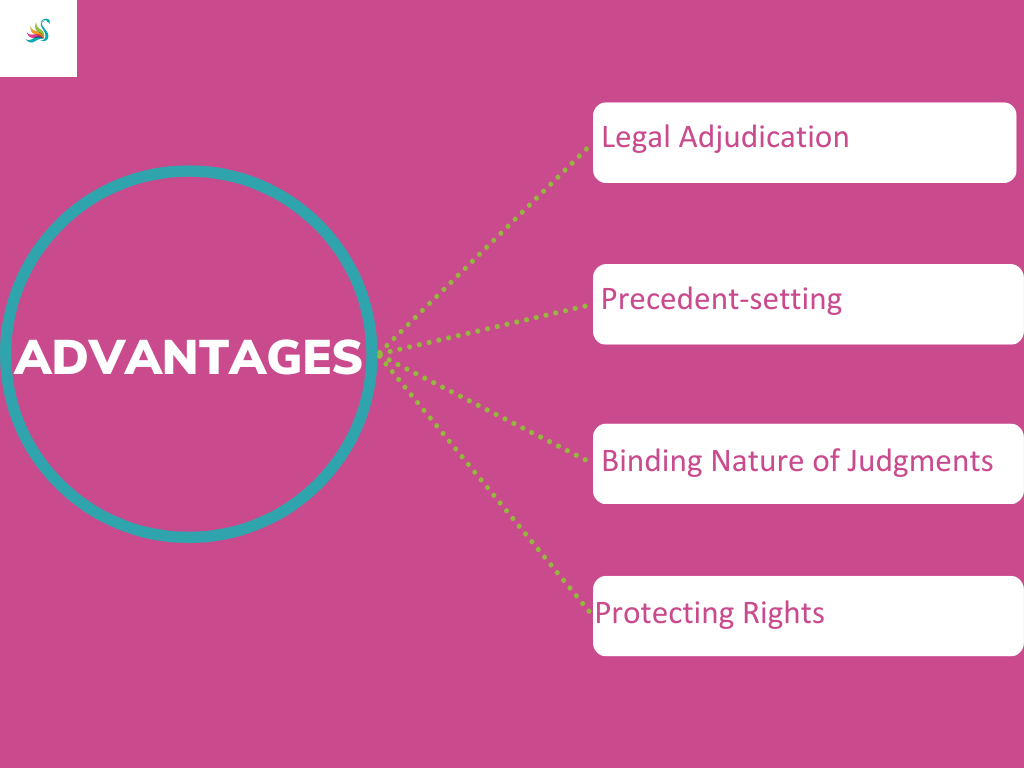
Legal Adjudication:
Litigation offers a formal legal process where trained judges or juries objectively assess the facts and apply the law to reach a decision. This promotes transparency and consistency in the resolution of disputes.
Precedent-setting:
Landmark cases can set legal precedents that guide future decisions in similar situations. This contributes to the evolution of the legal system and ensures consistency in legal rulings.
Binding Nature of Judgments:
Court judgments are legally binding, and parties are required to abide by the court’s decision. This ensures that the losing party complies with the outcome, avoiding the risk of non-compliance.
Protecting Rights:
The discovery phase in litigation enables parties to gather and exchange information and evidence, which can lead to a more comprehensive understanding of the case. This process often encourages the parties to reevaluate their positions and consider settlement options.
Limitations of Litigation as a Dispute Resolution Method:
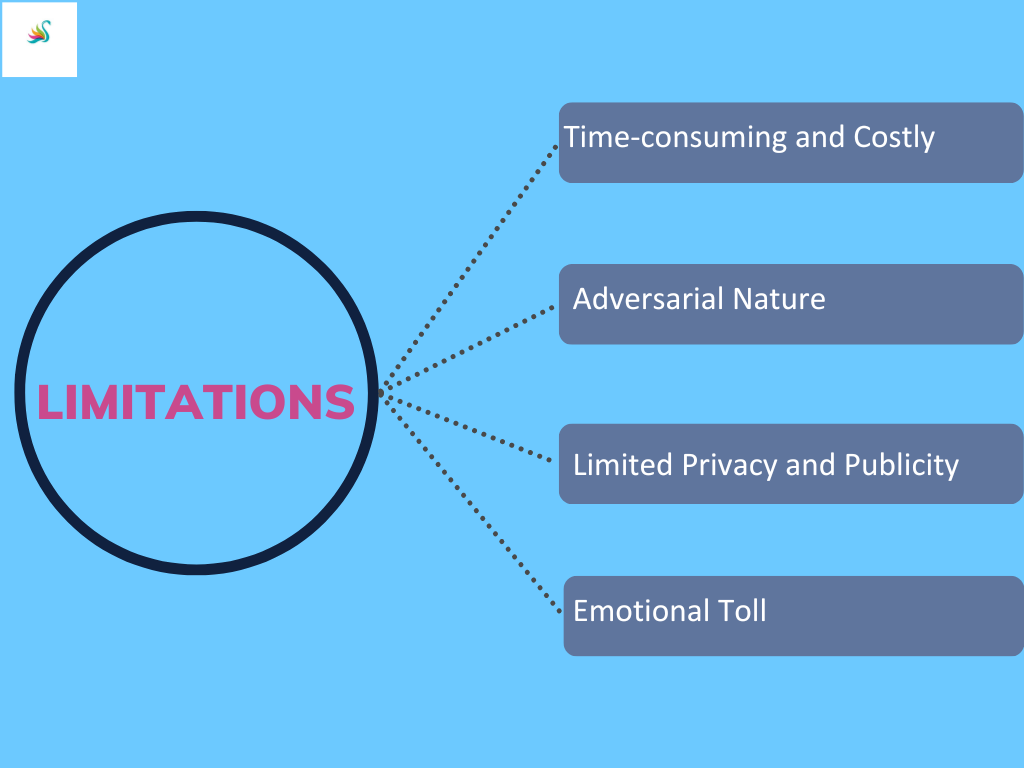
Time-consuming and Costly:
Litigation can be a lengthy and expensive process, particularly in complex cases that involve extensive discovery, multiple hearings, and appeals. This aspect may deter some parties from pursuing litigation or may lead to financial strain for others.
Adversarial Nature:
The adversarial nature of litigation can escalate tensions between the parties and may not always foster a cooperative environment for resolving conflicts. This can be particularly problematic in cases where ongoing relationships are at stake.
Limited Privacy and Publicity:
Litigation is typically a public process, which may not be desirable for parties seeking to keep sensitive matters private. The public nature of court proceedings can also attract media attention, which could influence public opinion.
Emotional Toll:
Litigation can be emotionally taxing for the parties involved, especially in cases where personal or reputational issues are at stake. The emotional strain can hinder effective decision-making and compromise potential resolutions.
Power Dynamics and Cultural Considerations:
In some litigation scenarios, there may be a significant power imbalance between the parties. For example, large corporations might have greater resources and legal teams, giving them an advantage over individual plaintiffs or smaller entities. This power disparity can affect the fairness of the litigation process.
Cultural Sensitivity:
In cases involving parties from diverse backgrounds, cultural considerations may come into play during the litigation process. Cultural differences can affect communication, negotiation styles, and perceptions of justice, potentially complicating the resolution of disputes. Recognizing and respecting cultural nuances is crucial for a fair and equitable litigation process.
Mediation and Cultural Understanding:
In situations where cultural differences are pronounced, mediation can be an effective alternative to litigation. Mediators with cross-cultural competence can bridge communication gaps and help parties find common ground. Cultural understanding allows mediators to navigate sensitive issues and cultural norms, promoting more productive discussions and potentially leading to mutually beneficial outcomes.
Potential for Win-Win Outcomes:
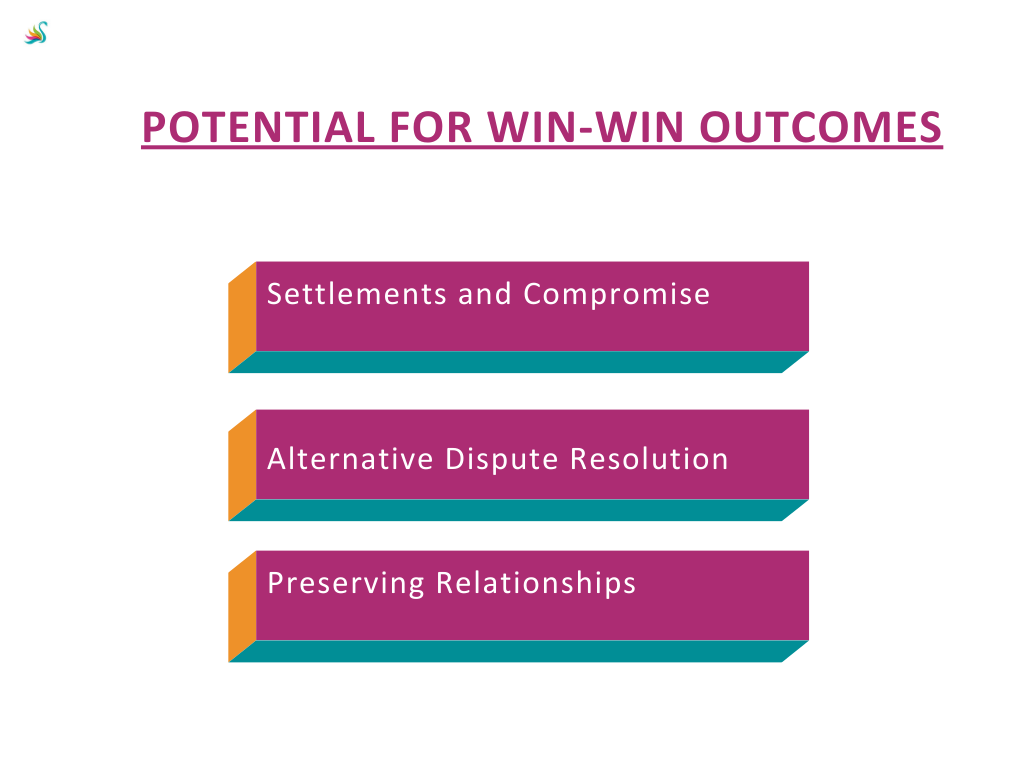
Settlements and Compromise:
While litigation is often associated with a winner and loser, it also provides opportunities for parties to reach settlements and compromise. Settling a case allows parties to retain some control over the outcome, avoid the uncertainties of trial, and save time and resources. It can lead to win-win outcomes, where both parties obtain favorable terms that address their interests.
Alternative Dispute Resolution (ADR):
ADR methods, such as arbitration and mediation, are considered less adversarial than litigation and offer more flexibility in crafting creative solutions. ADR can provide win-win outcomes by focusing on the parties’ interests and fostering collaboration rather than competition.
Preserving Relationships:
In business disputes or family-related matters, preserving relationships can be paramount. Litigation, with its confrontational nature, may strain relationships beyond repair. In contrast, ADR techniques emphasize maintaining relationships and exploring amicable solutions, contributing to potential win-win resolutions.
Research Findings and Expert Opinions:

Legal Scholars’ Perspectives:
Legal scholars have extensively studied the effectiveness and limitations of litigation as a mode of dispute resolution. Some argue that while litigation is a vital component of the legal system, it should not be the default approach for all conflicts. Alternative methods, such as ADR, should be explored more frequently, especially when parties have ongoing relationships or cultural considerations are present.
Empirical Studies:
Various empirical studies have compared the outcomes of litigation and ADR processes. These studies often find that ADR methods, such as mediation, can result in higher rates of satisfaction and compliance with agreements compared to traditional litigation. ADR may also be more cost-effective and time-efficient, making it an attractive option for certain disputes.
Economic Analysis:
Economic analysis of litigation has been a subject of study, highlighting the financial costs and benefits of the process. Some economists argue that the costs of litigation, including legal fees, opportunity costs, and potential damages, can sometimes outweigh the benefits, particularly in lower-value disputes.
Conclusion:
Litigation remains a prominent and influential mode of dispute resolution across various industries and scenarios. Its formal legal framework and binding judgments provide clarity and certainty in resolving conflicts. However, the advantages and limitations of litigation should be carefully considered in each case, taking into account power dynamics, cultural sensitivities, and the potential for win-win outcomes.
While litigation is undeniably effective in protecting rights and establishing legal precedents, it is not always the most appropriate or efficient method for every dispute. ADR methods, including mediation and arbitration, offer valuable alternatives that emphasize collaboration and preservation of relationships. The legal community should continue to explore ways to integrate these approaches into the broader dispute resolution landscape, seeking a balance between legal rigor and the pursuit of just and equitable outcomes. As legal scholars, industry experts, and practitioners, it is our responsibility to approach each dispute with a comprehensive and well-rounded analysis, considering the unique circumstances and interests of the parties involved. Through such thoughtful consideration, we can better contribute to a fair, accessible, and efficient system of dispute resolution.