
Marine Cargo Policy
Introduction:

A Marine Cargo Policy is a type of insurance contract that provides coverage for goods and merchandise being transported across various modes of transportation, primarily by sea. It is designed to protect the financial interests of exporters, importers, and cargo owners in case of loss or damage to the goods during transit. This type of policy is particularly important in international trade where goods travel long distances and through various stages of transportation, involving ships, trucks, trains, and sometimes airplanes.
Components and key concepts within a Marine Cargo Policy:

1. Parties Involved:
- Insured: The party that purchases the insurance coverage. This is usually the owner of the goods being transported.
- Insurer: The insurance company that provides the coverage and compensation in case of loss or damage to the cargo.
2. Scope of Coverage: Marine Cargo Policies typically cover the following risks:
- Loss or Damage: Coverage for loss or damage to the cargo due to various perils such as sinking, collision, fire, piracy, and more.
- General Average: This is a concept in maritime law where all parties involved in a maritime venture proportionally share the losses incurred in certain emergency situations, like jettisoning cargo to save the ship.
Types of Policies:
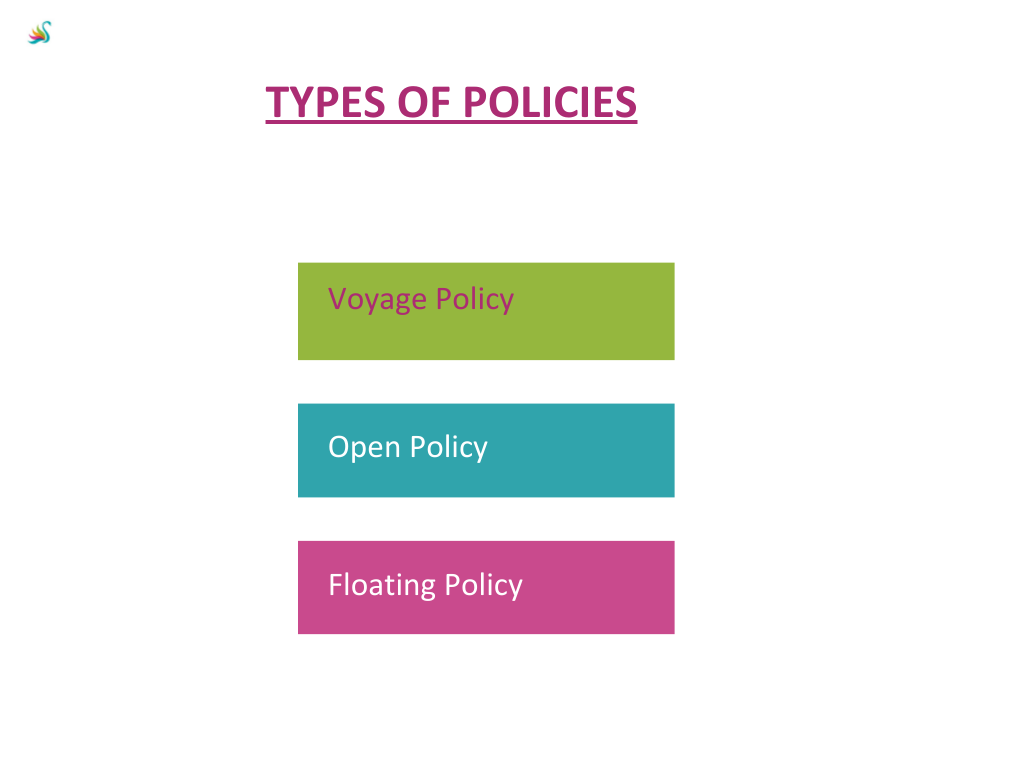
1. Voyage Policy: Covers a specific voyage or journey from the point of origin to the destination.
2. Open Policy: Provides coverage for multiple shipments within a specified period, usually a year.
3. Floating Policy: Similar to an open policy, but it covers a specific amount of goods, rather than a time frame.
Valuation of Cargo:

1. Insured Value: The declared value of the cargo at the time of purchasing the policy. This is the maximum amount the insurer will pay in case of loss or damage.
2. Insurable Interest: The insured must have a financial interest in the cargo, ensuring that the insurance is not used for speculative purposes.
Real-Life Examples:
1. A shipment of electronics is damaged due to a ship’s collision during a storm. The Marine Cargo Policy covers the repair costs, highlighting the importance of coverage against unforeseen events.
2. In a piracy incident, cargo is seized, leading to financial losses for both the cargo owner and the carrier. The Marine Cargo Policy aids in reimbursing these losses, emphasizing the need for coverage against perils like piracy.
Effective Risk Mitigation Strategies:

1. Thorough Documentation: Maintain accurate records of the cargo, its value, and the packaging to streamline the claims process.
2. Implement Quality Control: Conduct quality checks on the cargo before shipment to ensure it meets safety standards.
3. Choose Trusted Partners: Collaborate with reliable carriers and logistics providers to minimize the risk of mishandling.
4. Stay Informed: Stay updated on international regulations, weather conditions, and geopolitical events that might impact the safety of your cargo.
Recommendations for Securing Suitable Coverage:

1. Tailored Coverage: Work closely with experienced marine insurance brokers to customize coverage that aligns with your cargo type, transportation methods, and risk tolerance.
2. Coverage Period: Choose a coverage period that suits the typical duration of your shipments to ensure continuous protection.
3. Review Policy Exclusions: Understand the exclusions in your policy and consider adding endorsements to cover specific risks relevant to your cargo.
4. Regular Review: As your business evolves, revisit your policy annually to ensure it accurately reflects your current operations and cargo types.
5. Multi-Coverage Approach: For comprehensive protection, consider combining marine cargo insurance with other types of insurance like inland transit or warehouse coverage.
Conclusion:

In the intricate realm of international trade, where goods traverse continents and oceans, the role of Marine Cargo Policies is paramount. These policies provide the security net necessary to navigate the uncertainties inherent in long journeys across varied transportation modes. By understanding the components, types, valuation, and limits of these policies, businesses can effectively safeguard their shipments against perils ranging from storms to piracy.
As demonstrated through real-life examples, the financial impact of an unforeseen loss can be significantly mitigated with the right coverage. Coupled with effective risk mitigation strategies and the guidance of insurance experts, Marine Cargo Policies empower businesses to operate with confidence on the global stage. By continuously evaluating risks, updating coverage, and adhering to best practices, businesses can ensure that their cargo reaches its destination safely, allowing them to focus on growth, customer satisfaction, and success in the competitive world of international trade.