
Earnest Money Deposits in Contract Management
Introduction:

In the world of contract management, earnest money deposits play a crucial role. Whether you’re a buyer or a seller, understanding what an earnest money deposit entails, its advantages, and disadvantages helps you navigate contracts successfully. This blog post aims to delve into the concept of earnest money deposits, its applications in various contractual agreements, and the potential benefits and disadvantages it brings to the table.
What is an Earnest Money Deposit?

An earnest money deposit is a sum of money that a buyer provides to a seller during a real estate transaction or other contractual agreements to show the buyer’s good faith, seriousness, and financial capability to follow through with the contract’s terms. In simpler terms, earnest money serves as a commitment to purchase an item or property.
Application of Earnest Money Deposits:

1. Real Estate Transactions: In real estate, earnest money deposits are commonly used to demonstrate a buyer’s commitment to purchase a property. If the buyer fails to fulfill the contract, the seller may be entitled to keep the earnest money deposit as compensation for time and effort invested.
2. Business Acquisitions: Earnest money deposits are often used in business acquisitions to prove a buyer’s genuine intention to proceed with the transaction. It provides assurance to the seller that the buyer is dedicated to completing the purchase.
3. Construction Contracts: In construction agreements, earnest money deposits can help establish trust between contractors and clients. The deposit demonstrates the client’s intention to move forward with the construction project and can act as a partial guarantee of project funding availability.
Benefits of Earnest Money Deposits in Contract Management:
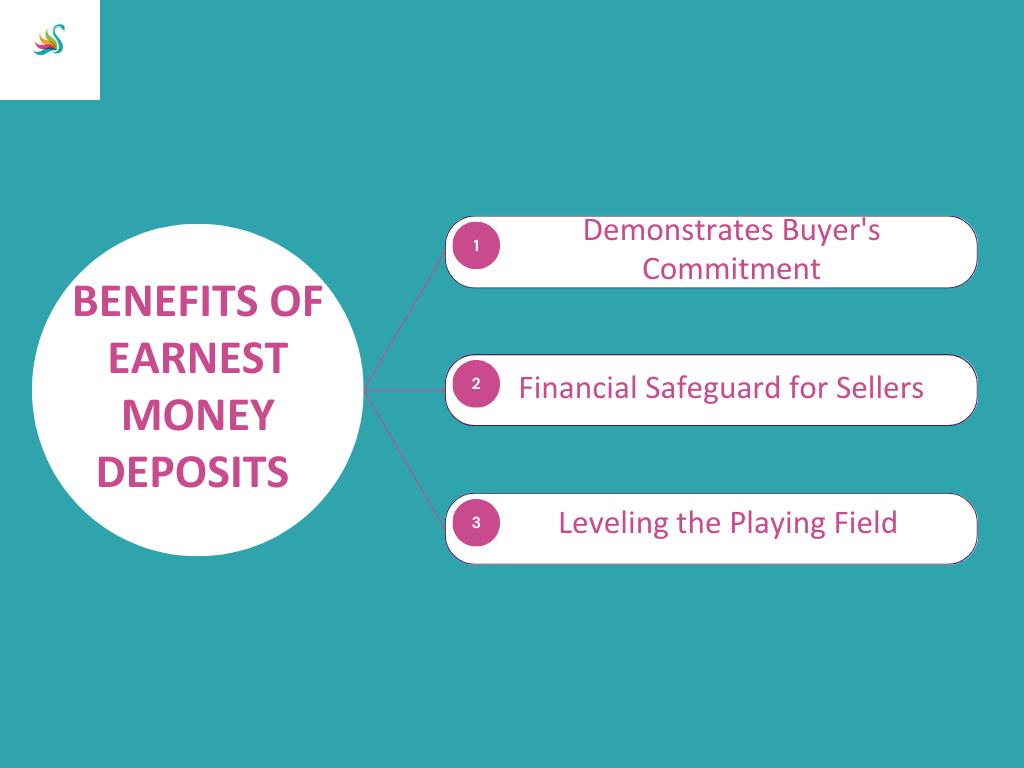
1. Demonstrates Buyer’s Commitment: When buyers commit an earnest money deposit, it signals their firm intent to follow through with the contract. A significant deposit shows serious interest and can discourage fraud or frivolous offers.
2. Financial Safeguard for Sellers: For sellers or service providers, earnest money deposits offer protection by compensating them if the buyer defaults or backs out of the contract. The funds can cover expenses incurred during the negotiation period or the loss of seeking other potential buyers
3. Leveling the Playing Field: In highly competitive markets, earnest money deposits provide an advantage to buyers as sellers may prioritize offers that demonstrate financial commitment. This can increase the chances of a successful bid in a competitive environment.
Disadvantages of Earnest Money Deposits in Contract Management:
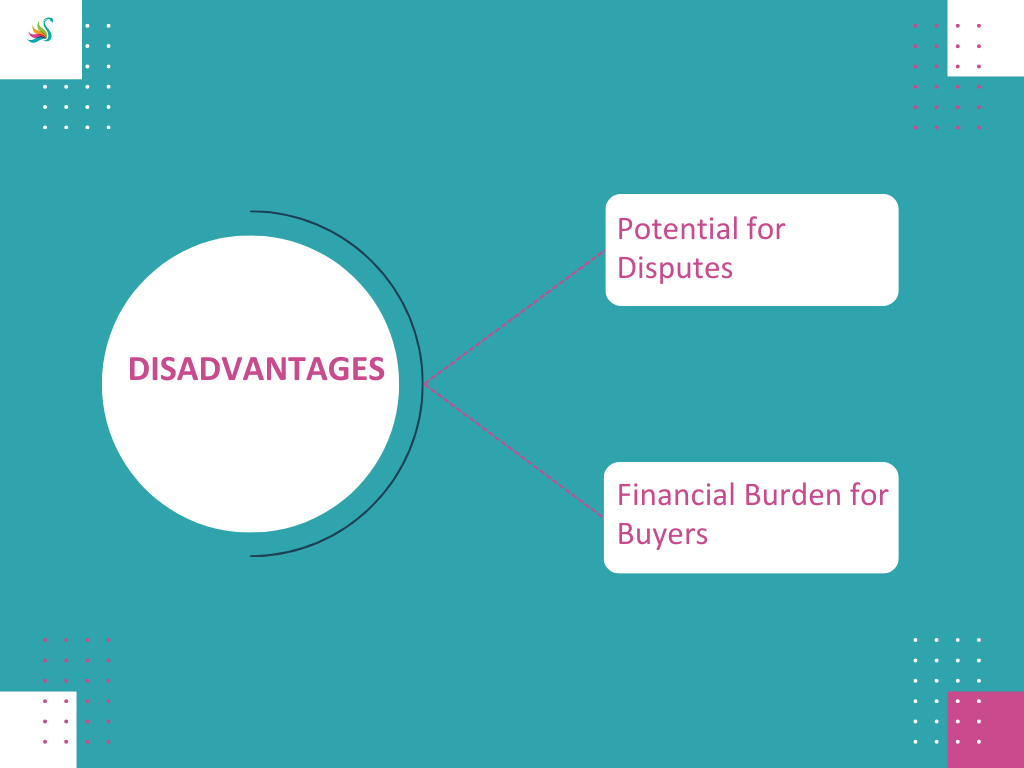
1. Potential for Disputes: If a conflict arises during the contract period or if the terms are not met, disagreements regarding the distribution or return of earnest money deposits can lead to legal disputes between the parties involved.
2. Financial Burden for Buyers: For buyers, especially in real estate transactions, the initial deposit may tie up a significant amount of their available funds until the deal is closed. This may restrict their financial flexibility during the contract period.
Real-Life Examples:
1. In a real estate transaction, the seller may set the earnest money deposit at 3% of the property’s value, allowing the buyer to secure the property while offering a financial safeguard if the buyer fails to fulfill their obligations.
2. When acquiring a small business, the buyer may provide an earnest money deposit equal to 10% of the purchase price to show their commitment and seriousness in proceeding with the acquisition.
Expert Analysis and Opinion:
It’s crucial for both buyers and sellers to carefully consider earnest money deposits and their implications before entering into contractual agreements. While earnest money deposits can offer significant advantages, such as demonstrating commitment and safeguarding sellers, parties involved should carefully review the terms to minimize potential disputes.
Recent developments have seen increased transparency in earnest money management, utilizing escrow services to securely hold the funds until the contract’s completion. These escrow services provide neutral oversight, ensuring fairness and secure distribution of the deposit.
Conclusion:
Earnest money deposits play a vital role in contract management, providing reassurance to both buyers and sellers. By underscoring the commitments of buyers and offering financial safeguards to sellers, earnest money deposits contribute to successful contract execution. However, potential drawbacks, like disputes and financial burden, should be closely considered before implementation. Remember, each contractual agreement is unique, so it’s wise to consult legal professionals who can guide you through the process and protect your interests.